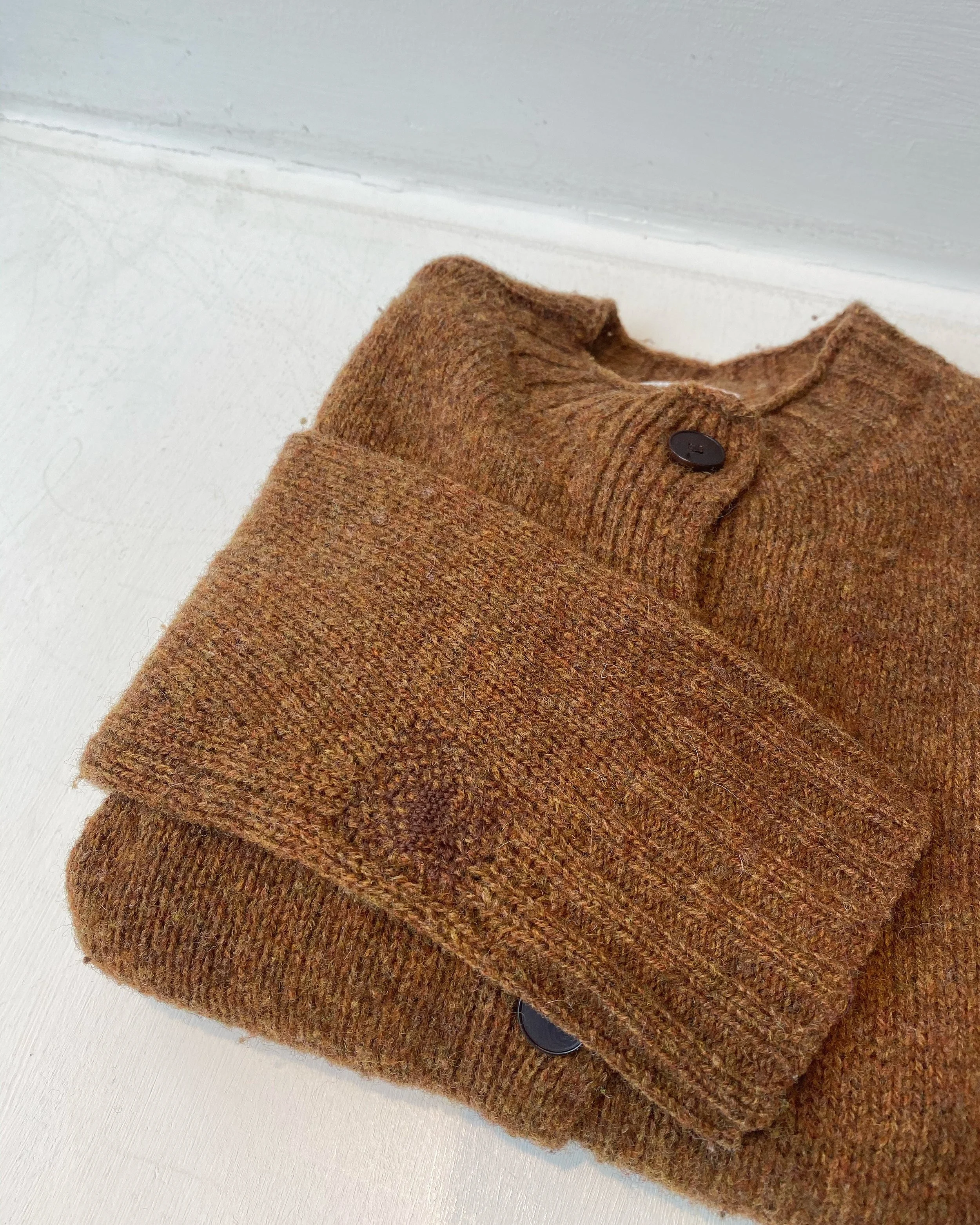
Discreet Mending
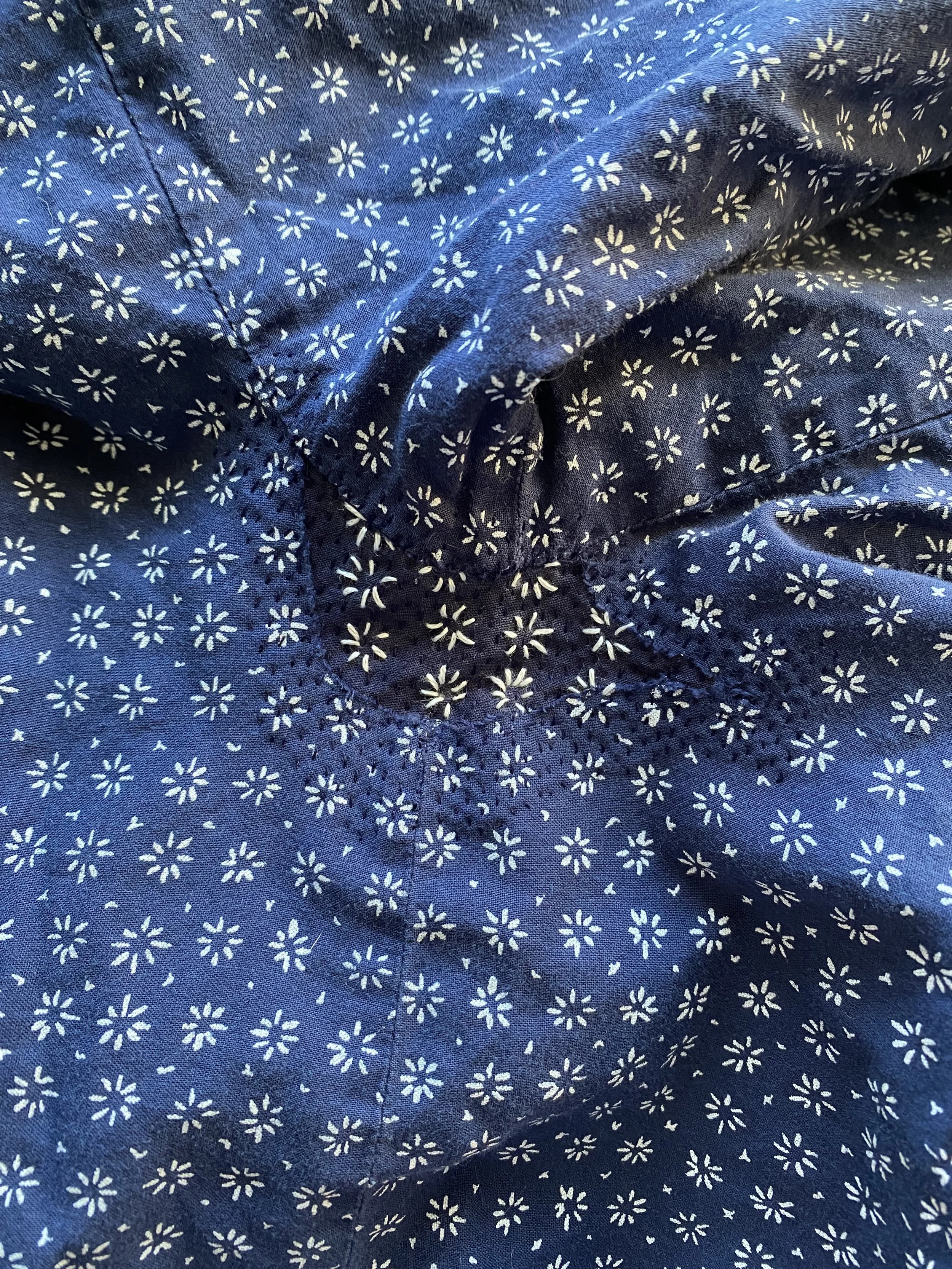
A discreet repair is the perfect choice if you don’t want to alter the appearance or feel of the item too much, or if it’s in an area you don't want to draw attention to (crotches and armpits anyone?).
I use the term discreet rather than invisible as completely invisible is very hard to achieve. Finding a good match in colour and material can be tricky, so the best way to be as close to invisible as possible is to source the yarn or fabric for the repair from somewhere hidden on the item e.g. seams, pockets, or hems. This method does add two more steps to the repair job (cutting fabric or unravelling seams and then patching or sewing that back up) so is often the pricier option to go with.
That said, finding materials to match can work out sometimes, I may have something in my stash or I can source and buy something new. I’m always happy to do this but for you this can mean a longer turnaround time for your repair to be completed.
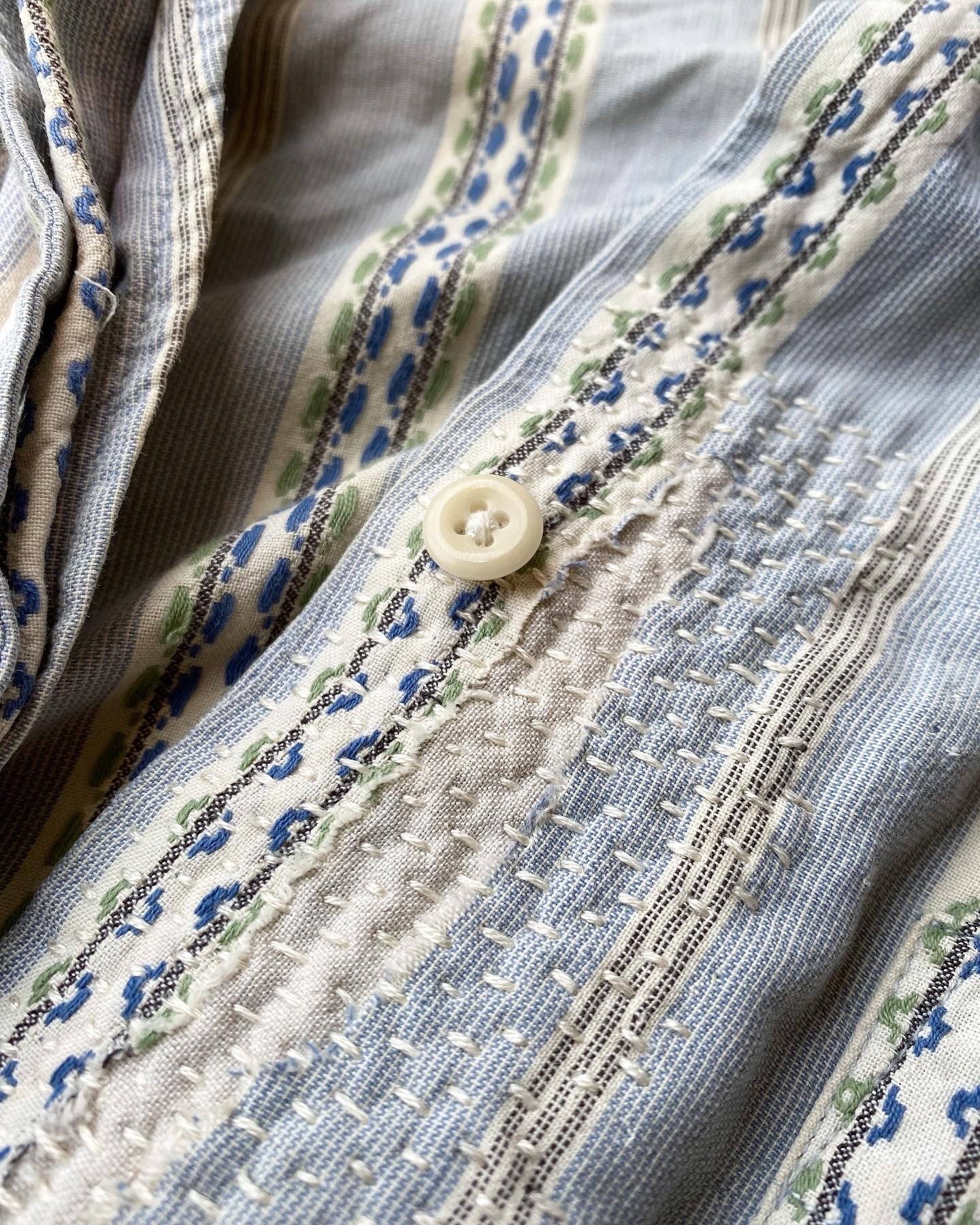
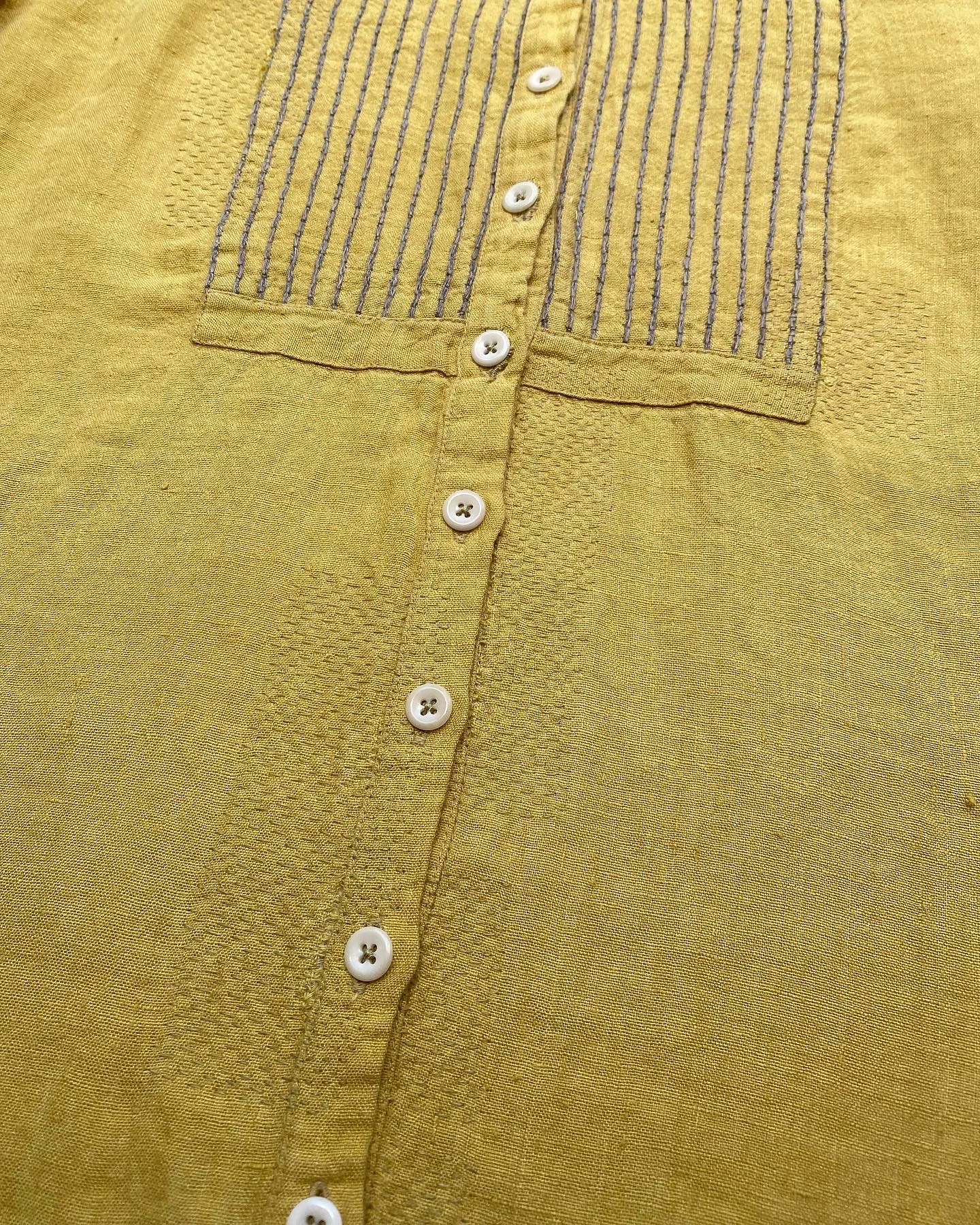
If I can’t find an exact match in material and colour, something close enough will still help the repair not look obvious. To better understand what that actually looks like, I’ve included examples on this page that range from almost completely invisible to just subtle enough to not be a statement.
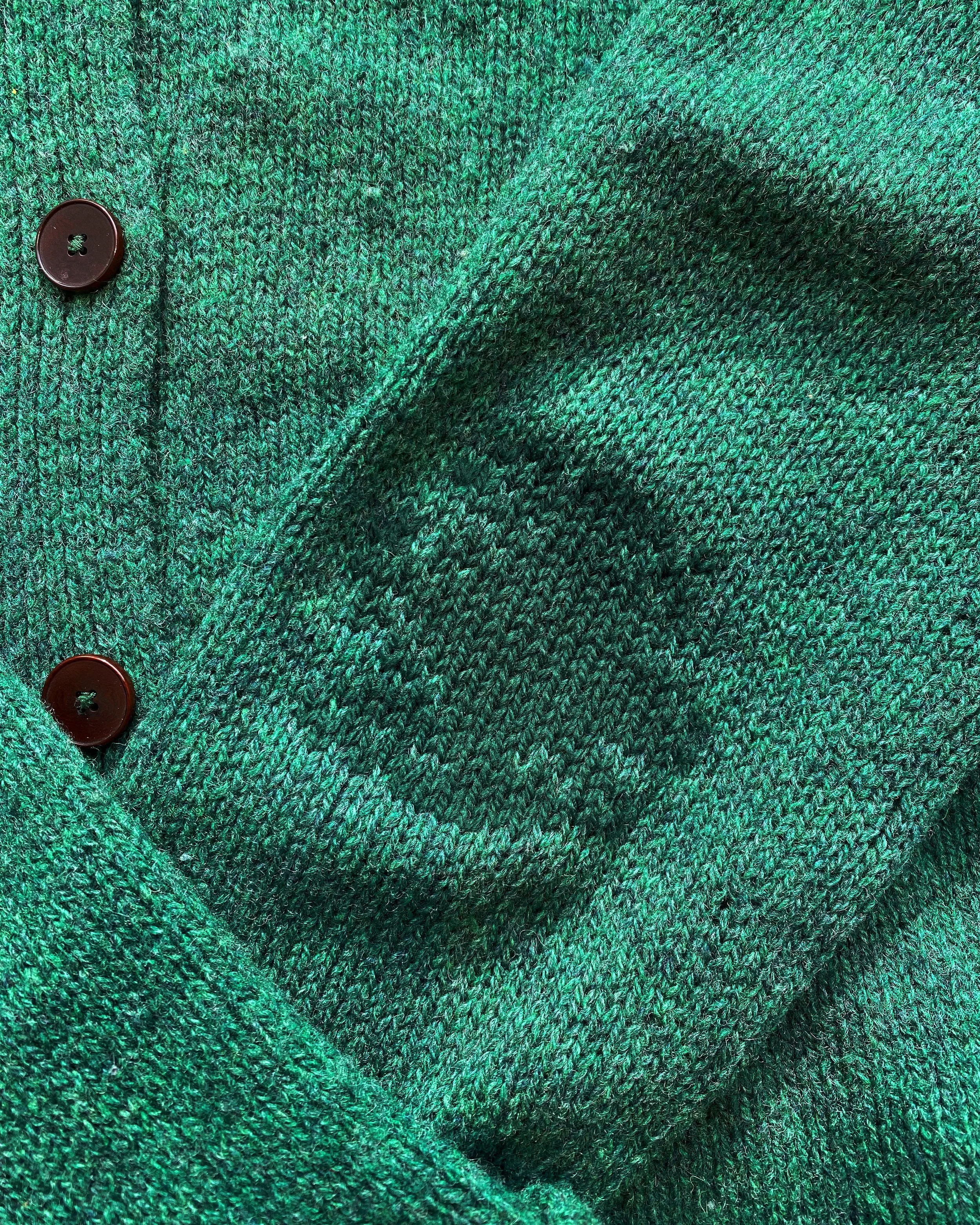
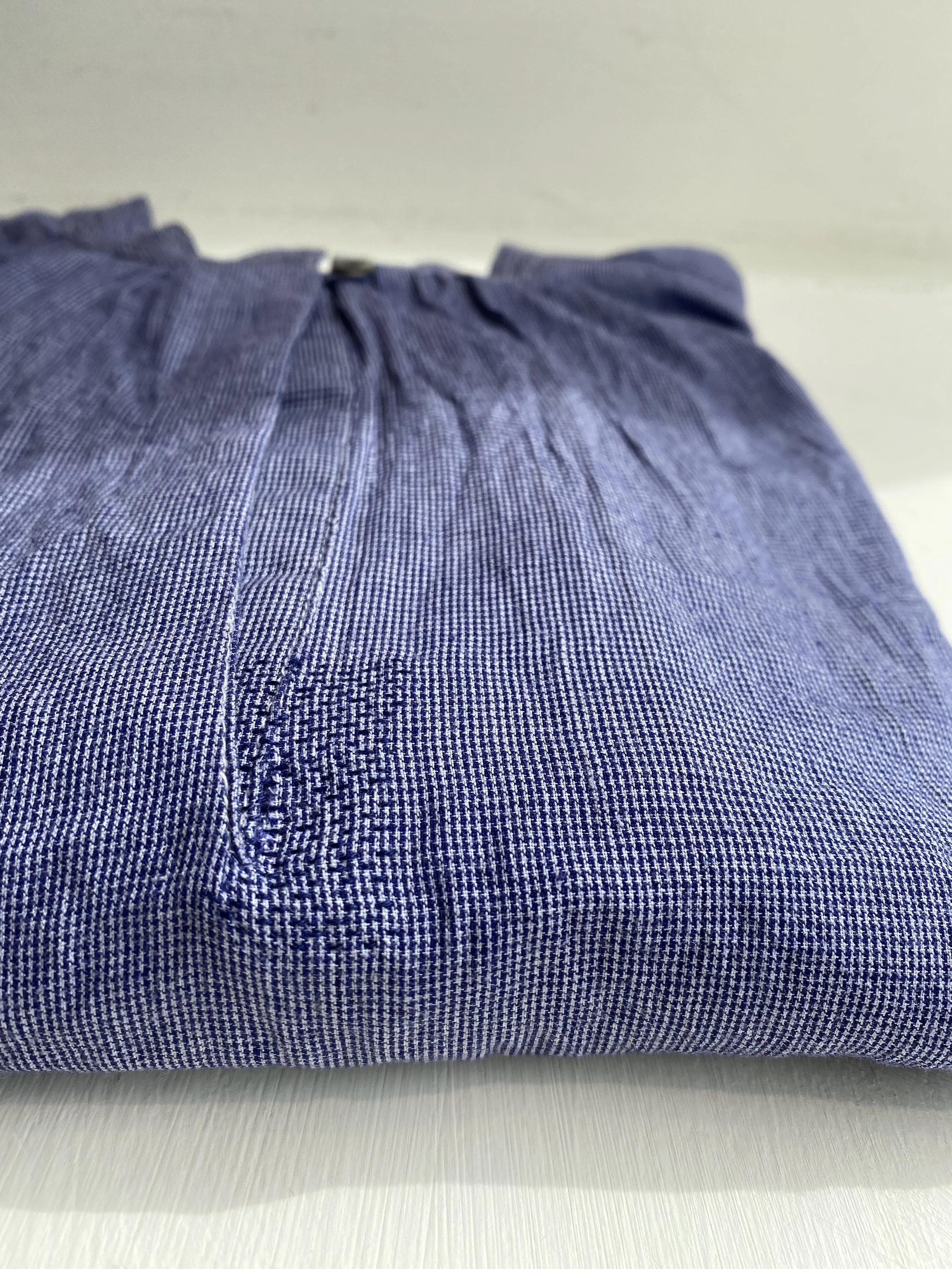
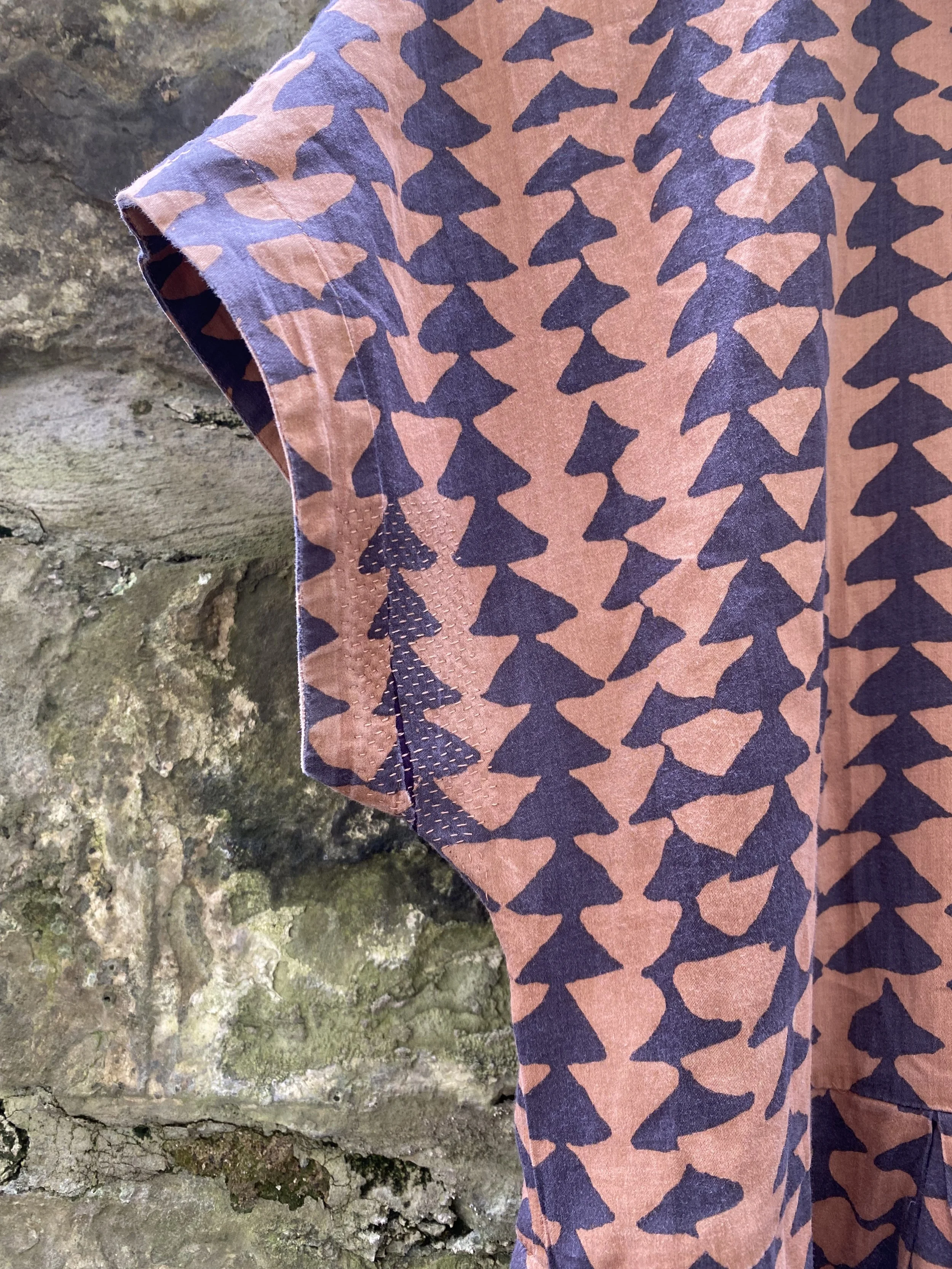
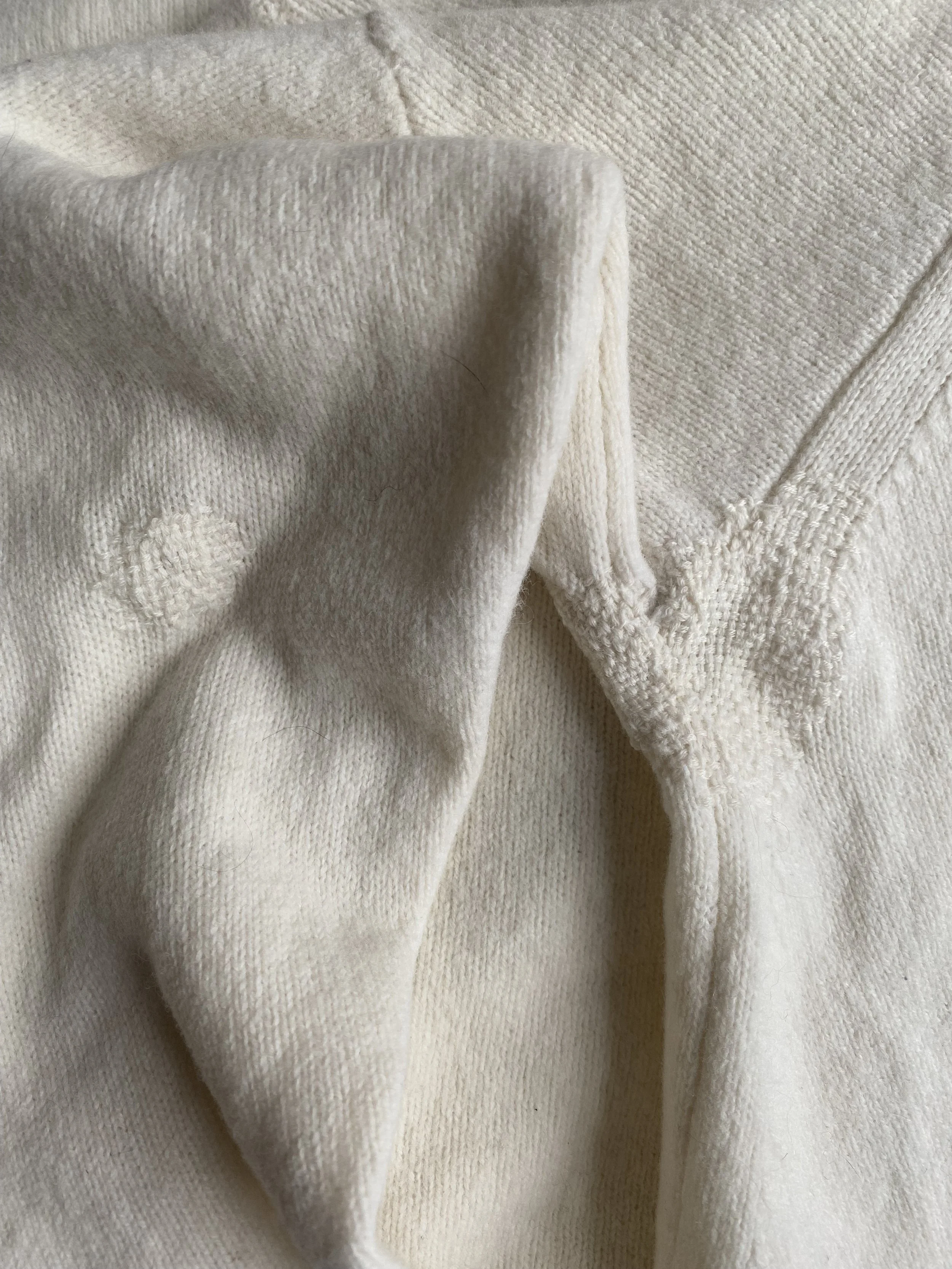
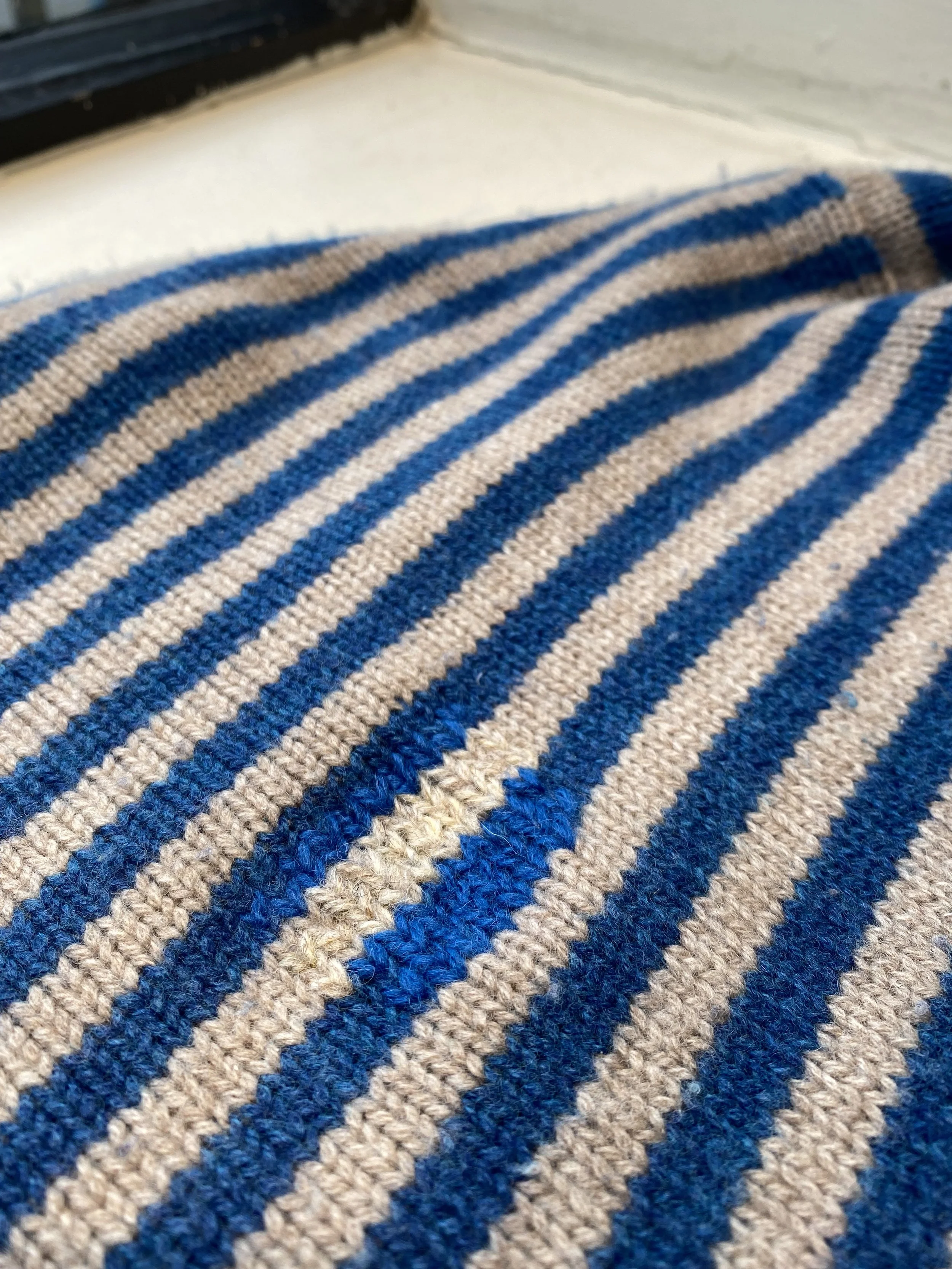
Before & After examples
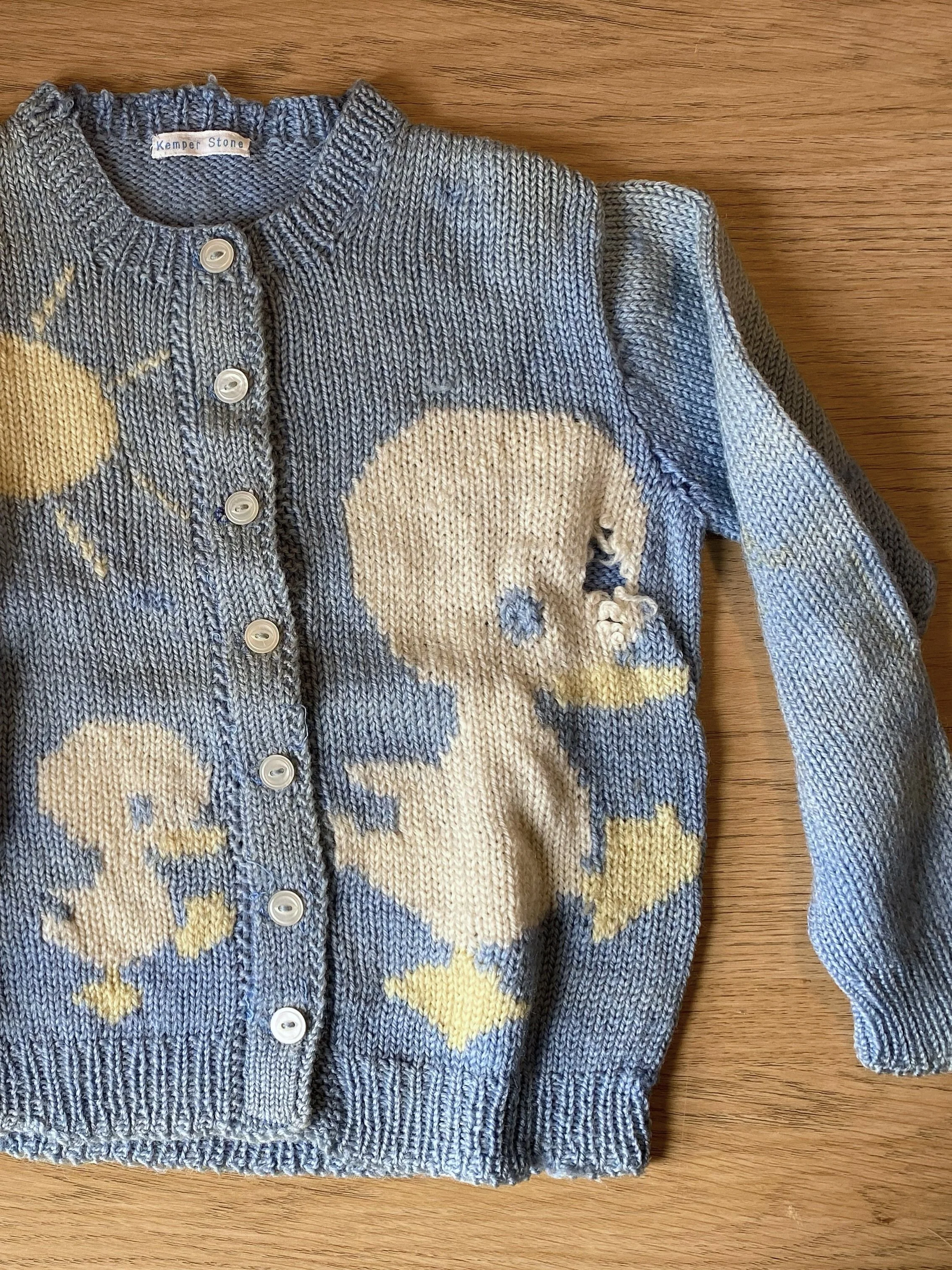
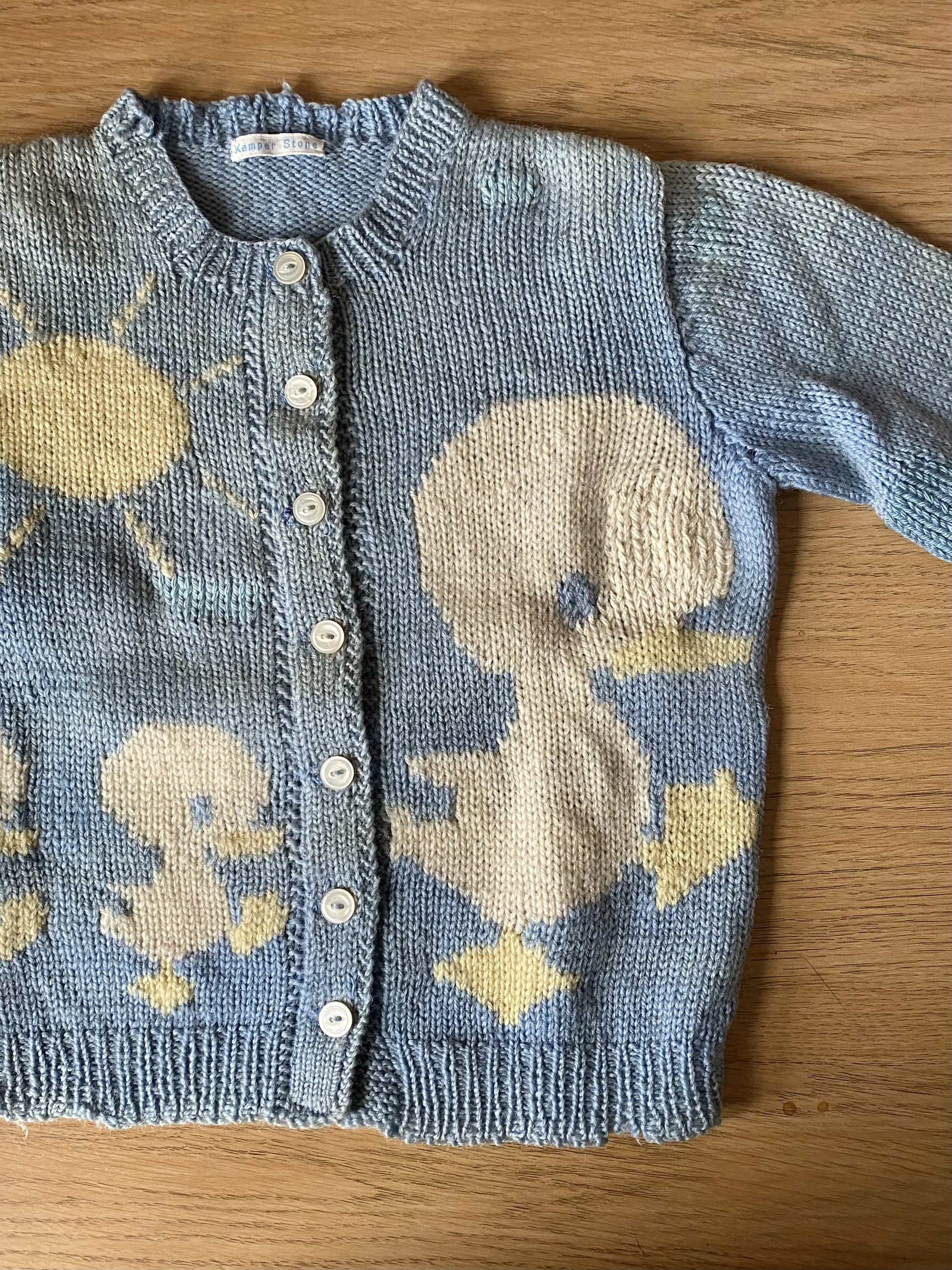
Vintage children’s cotton cardigan with multiple holes.
Repaired with cotton yarn in a mix of Swiss and woven darns.
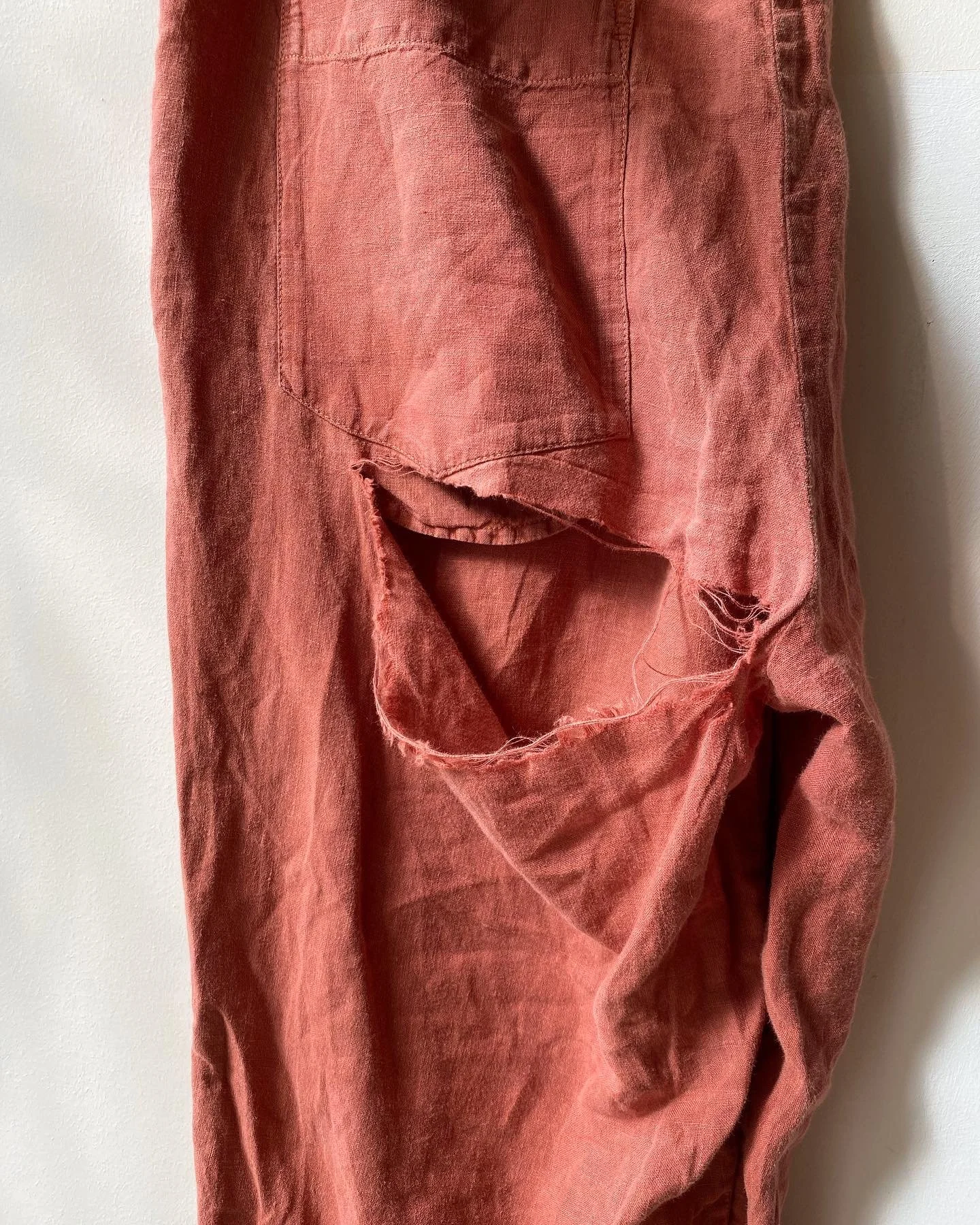
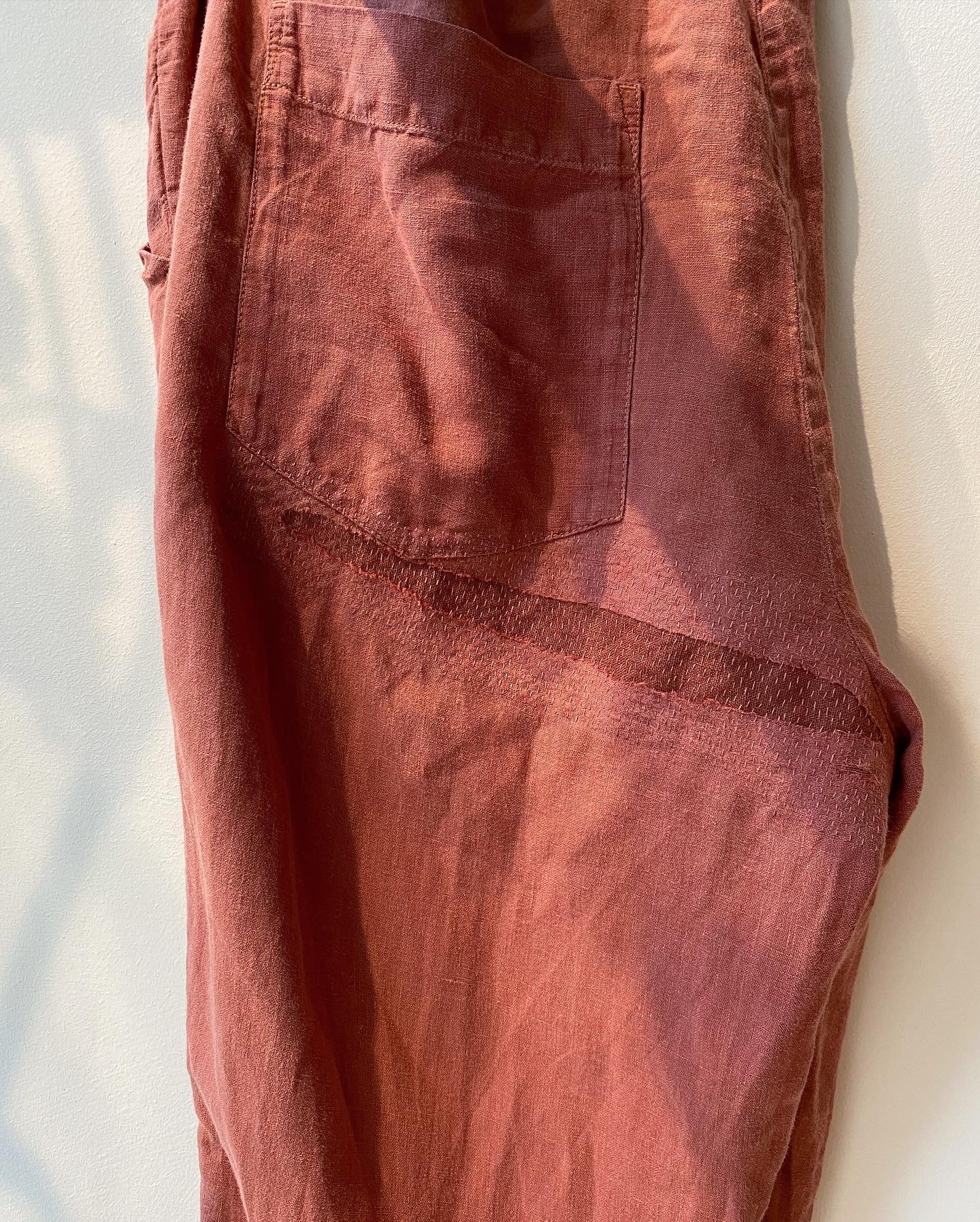
Repaired using linen patch on inside and running stitch to secure it and reinforce the area.
Linen trousers torn across back pocket/seat.
Patched on front and reverse with some reinforcement stitching in white thread.
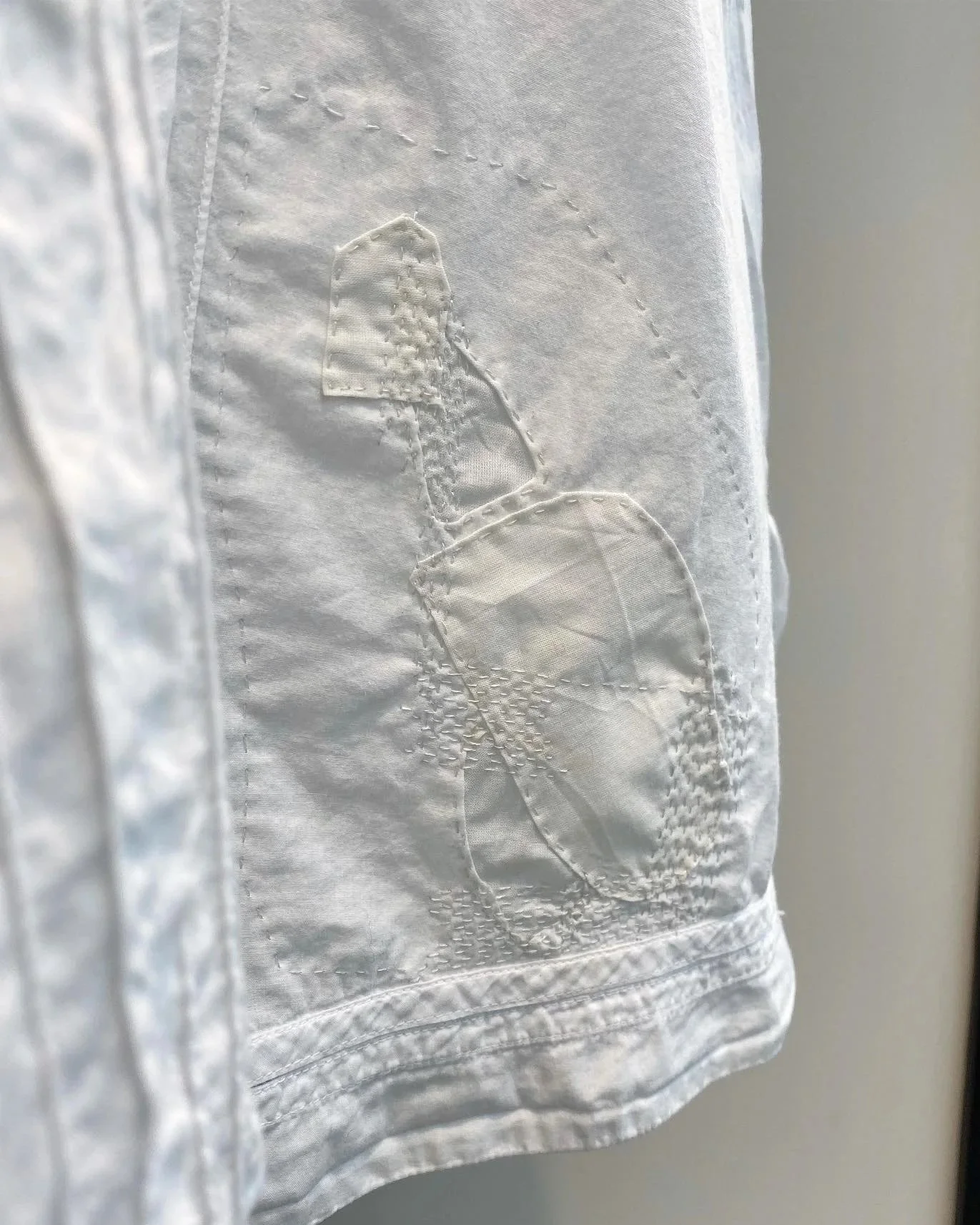
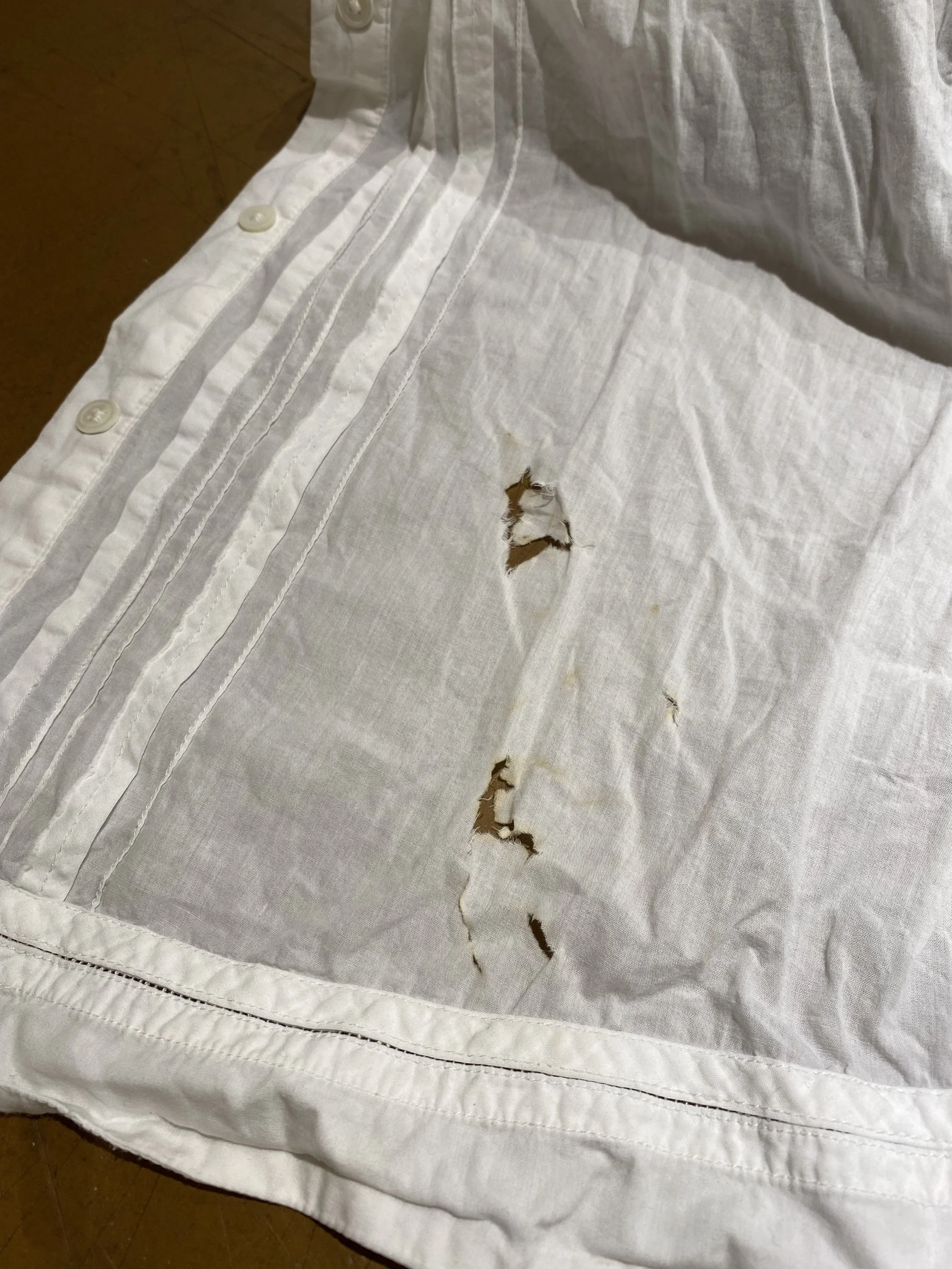
Burn damage on fine white cotton shirt.
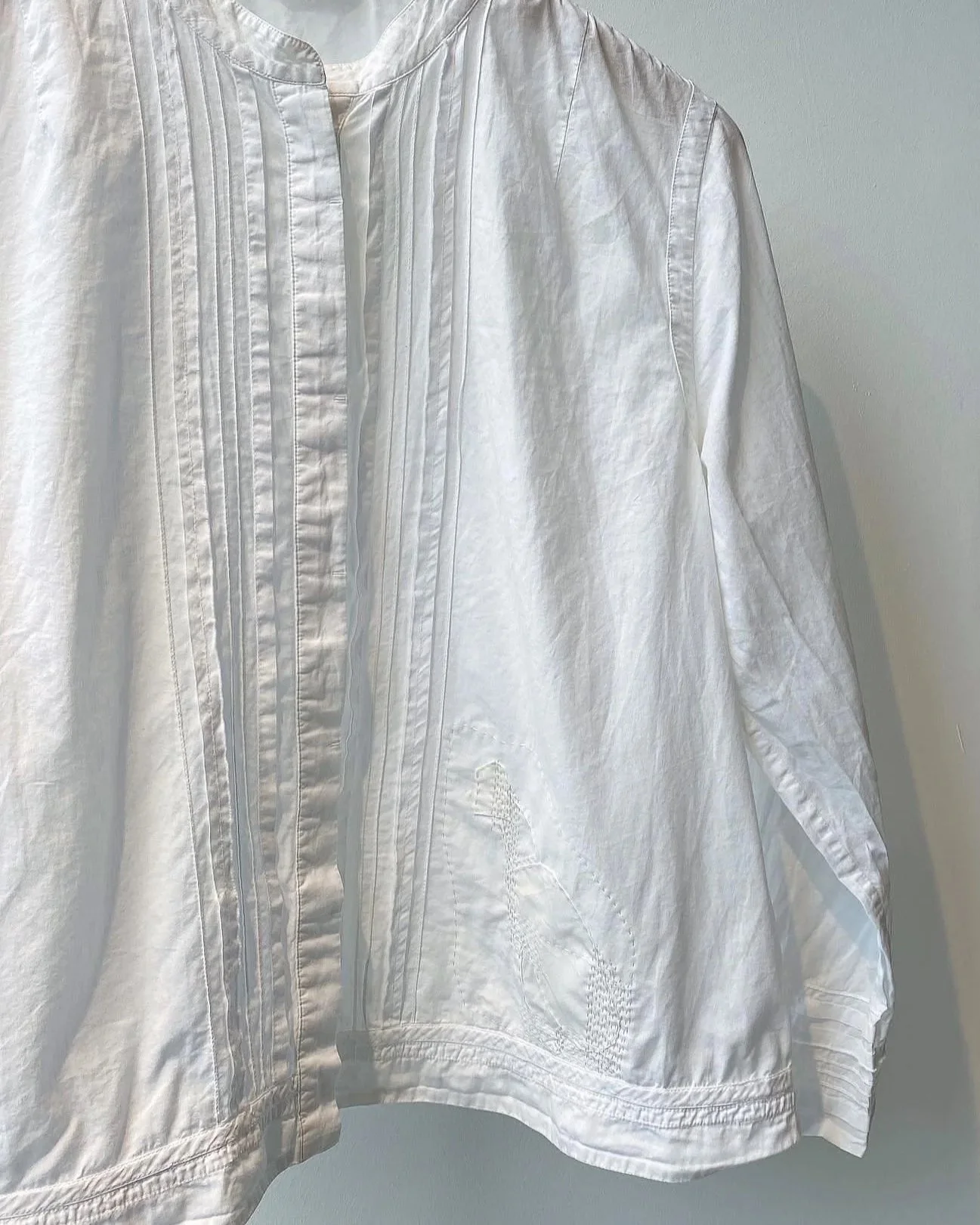
Although there’s a lot of detail in the repair up close, here you can see it’s barely visible at a distance.
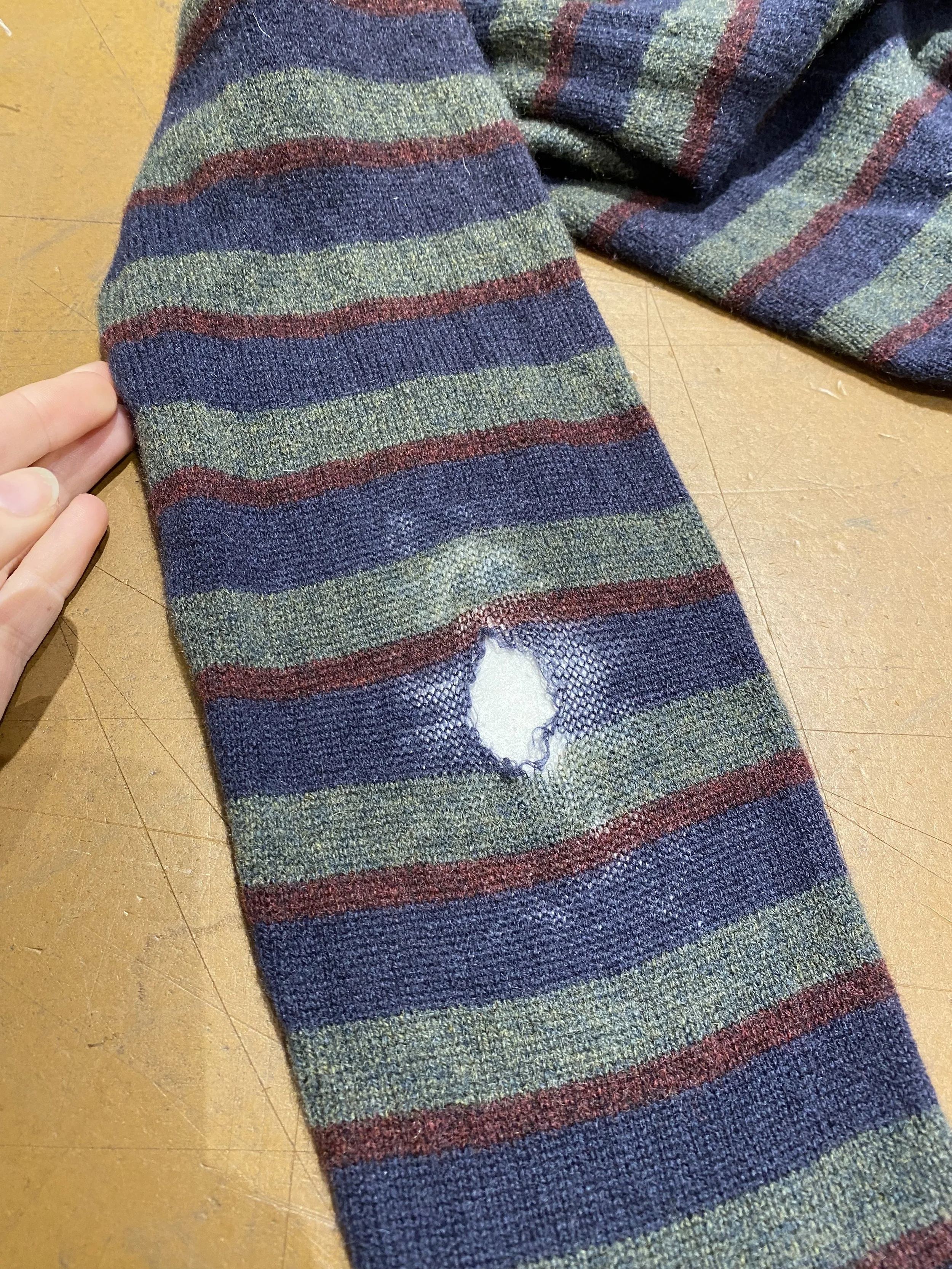
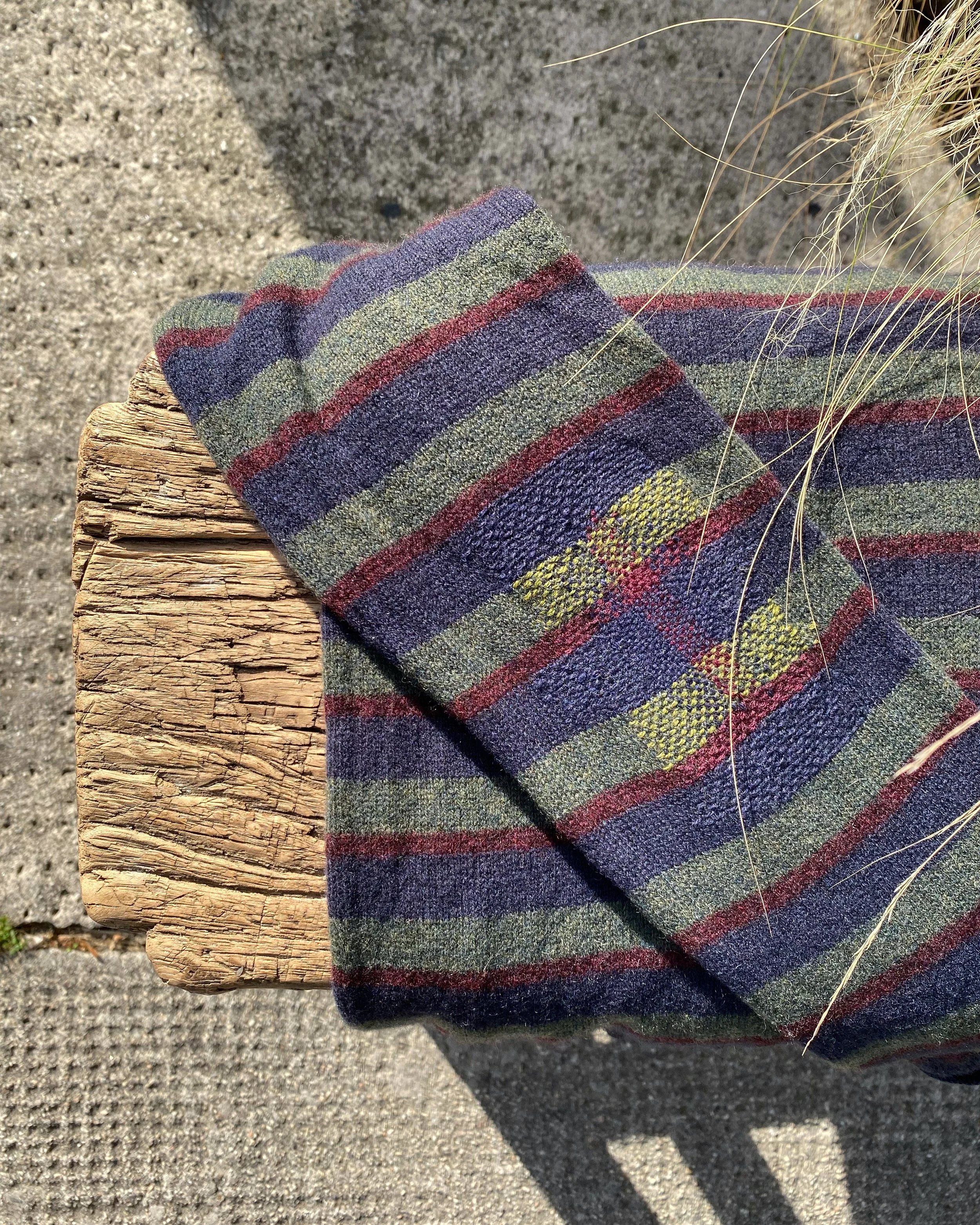
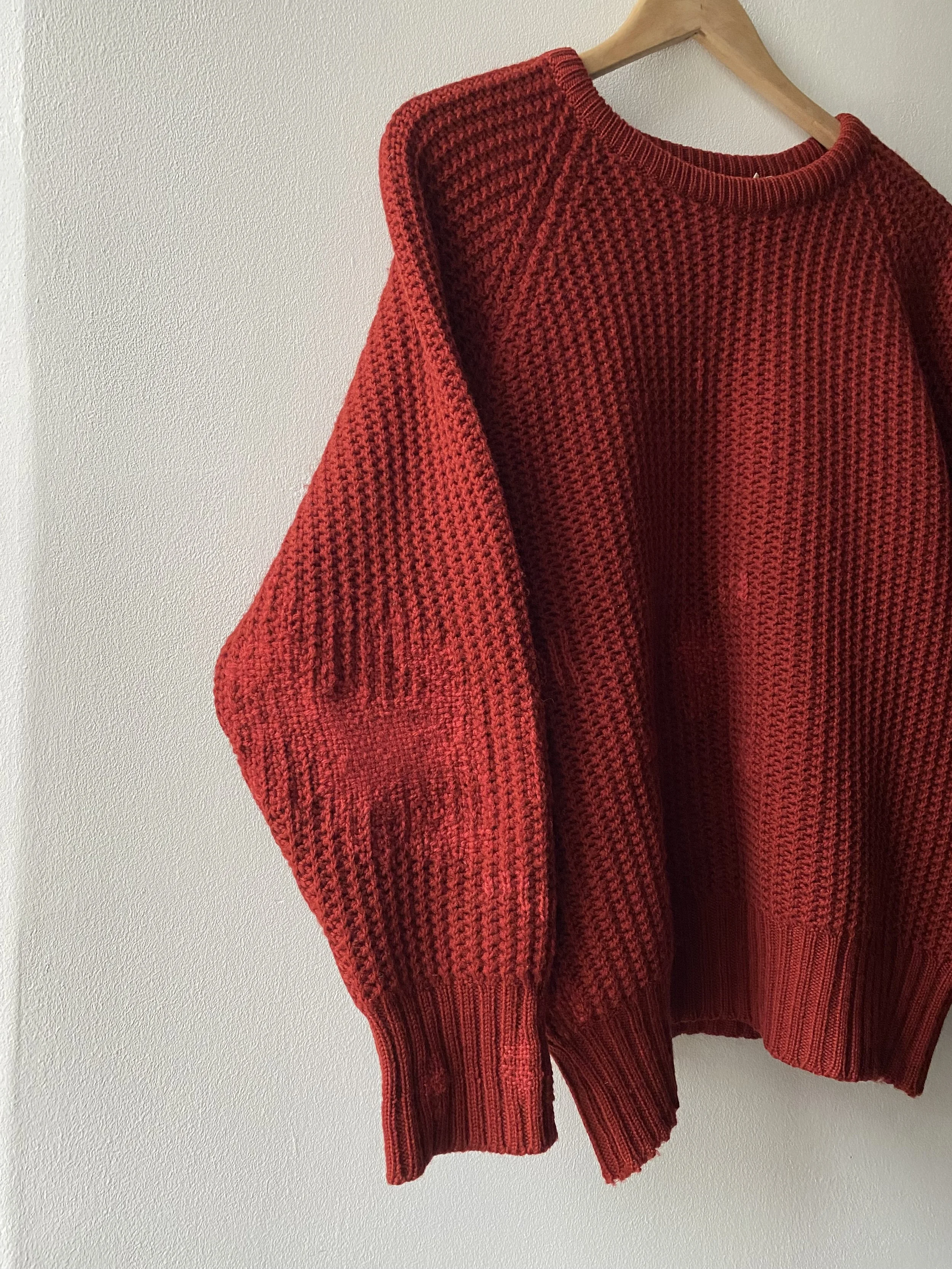
Repaired with a woven darn in some very closely matched mending yarn, and some not as close.
Cashmere/wool blend jumper with large hole and wear at elbow.
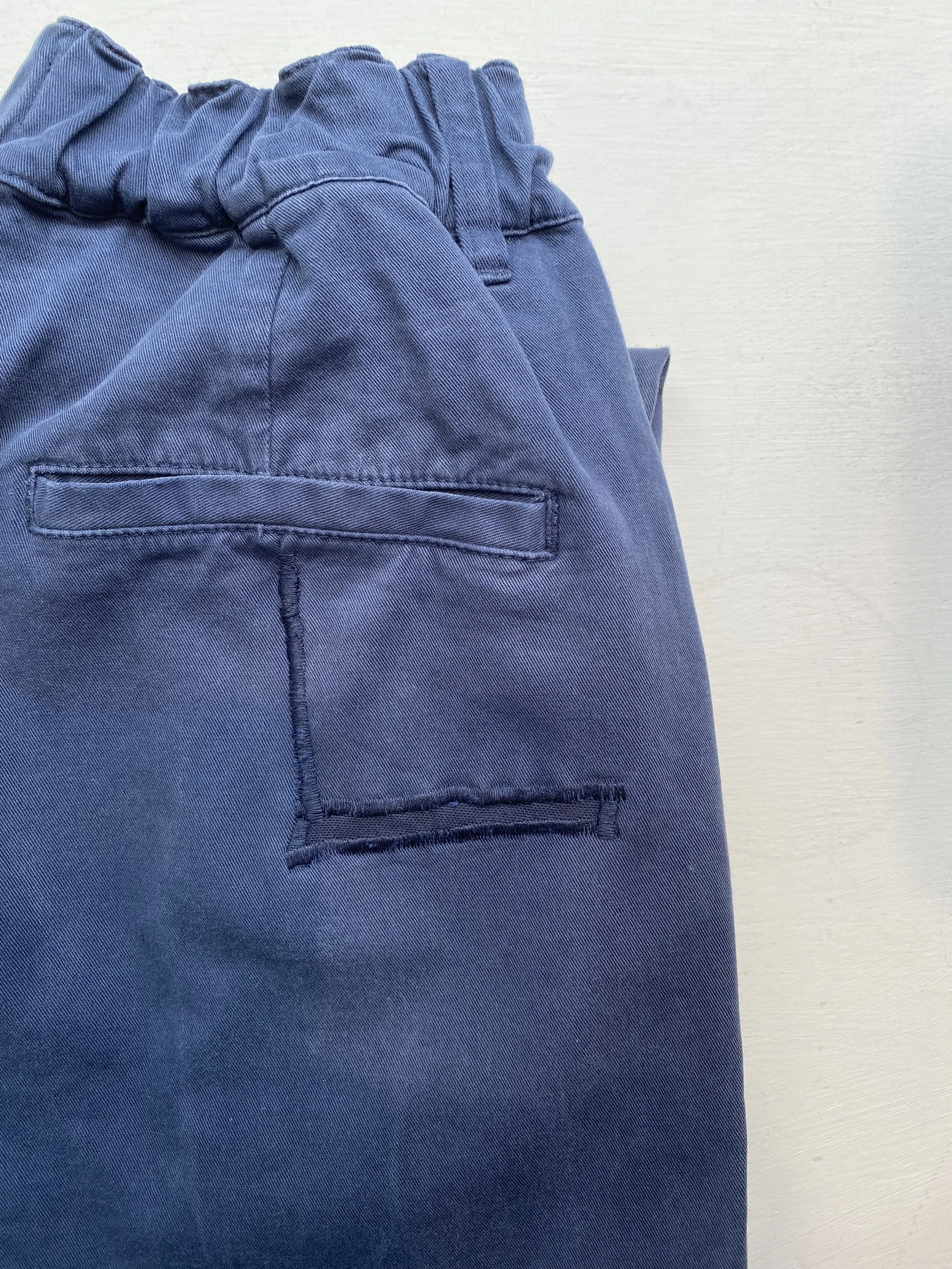
Repaired with fabric patch on reverse and edges secured by machine stitching.
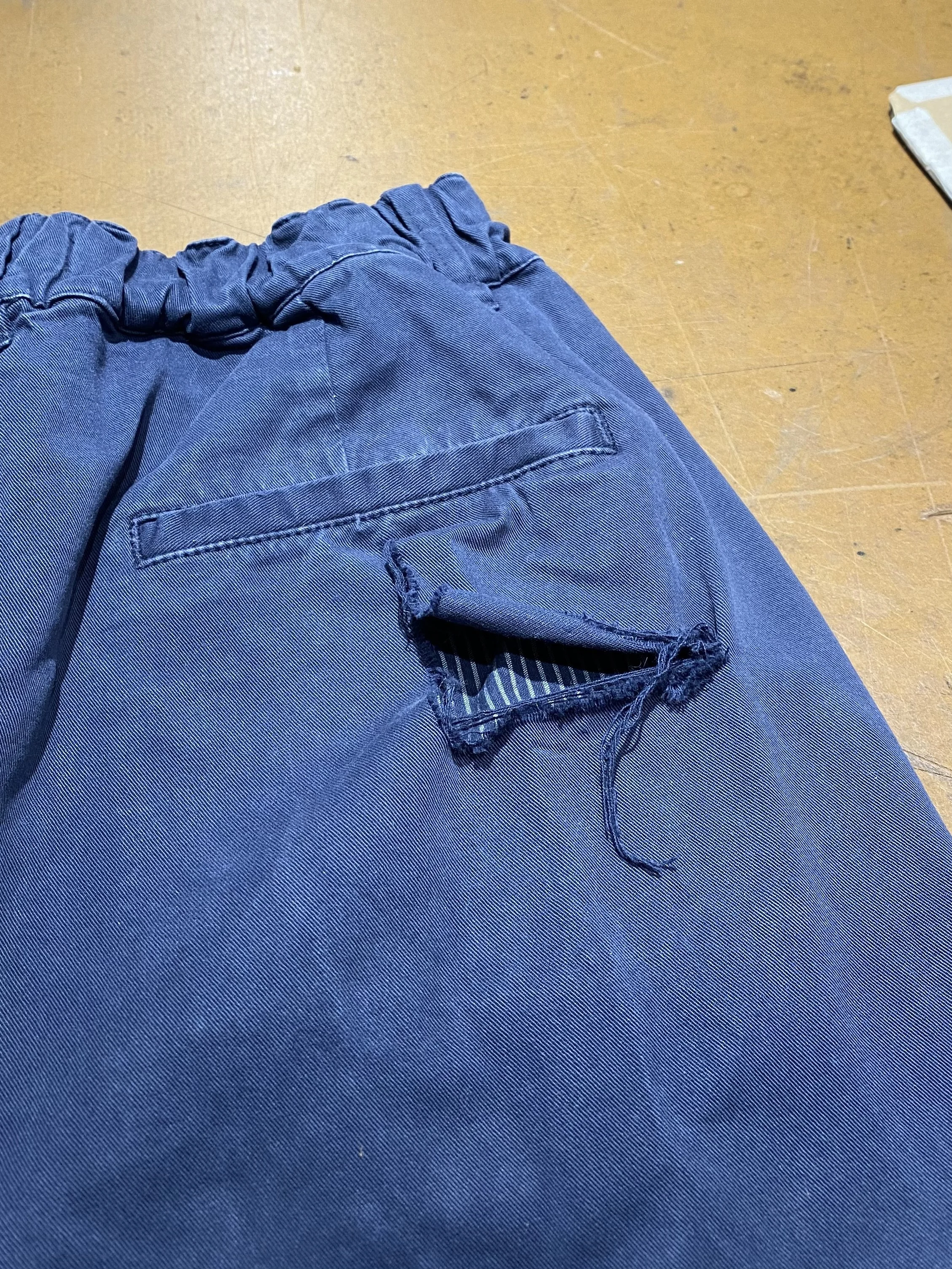
Cotton trousers with tear at back pocket.